“Cover crops and below-ground processes”

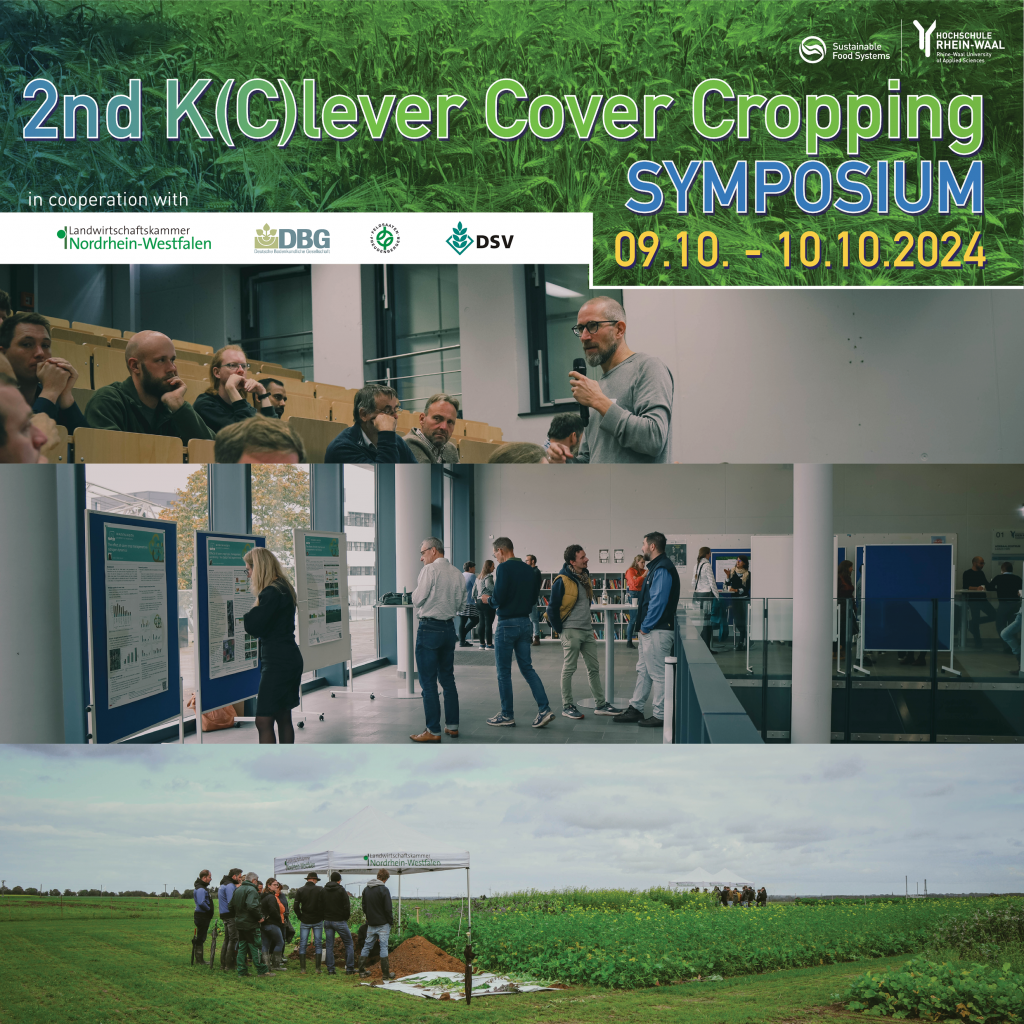
The Sustainable Food Systems Research Centre hosted its second symposium about cover cropping at Hochschule Rhine-Waal on 09.10. – 10.10.2024, in cooperation with the Faculty of Life Sciences, Hochschule Rhine-Waal, Landwirtschaftskammer Nordrhein-Westfalen and the DBG  – Deutsche Bodenkundliche Gesellschaft (DBG) e. V. .

Day 1 of the K(C)lever Cover Cropping Symposium: Meaningful Insights and Connections in Sustainable Agriculture

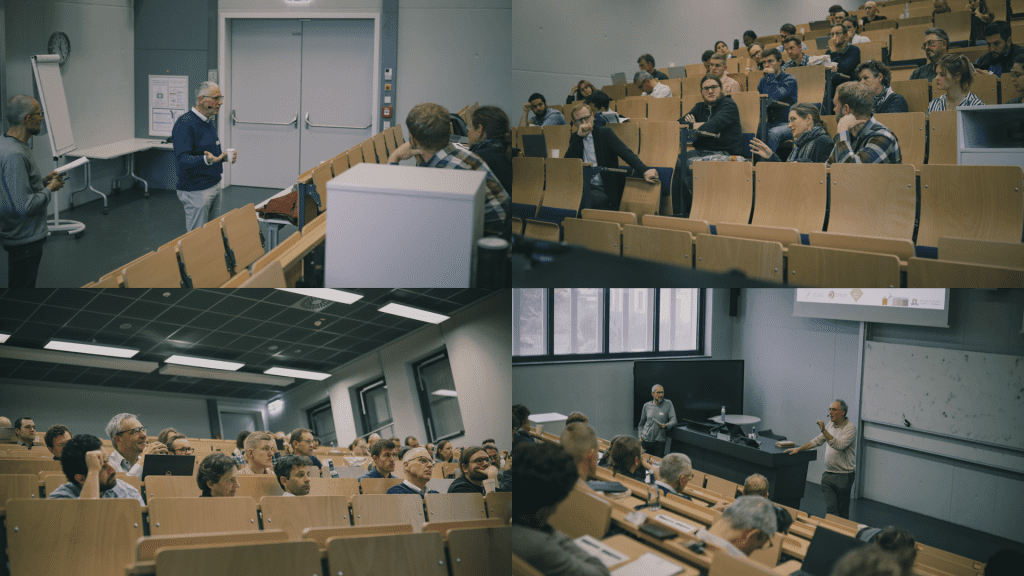
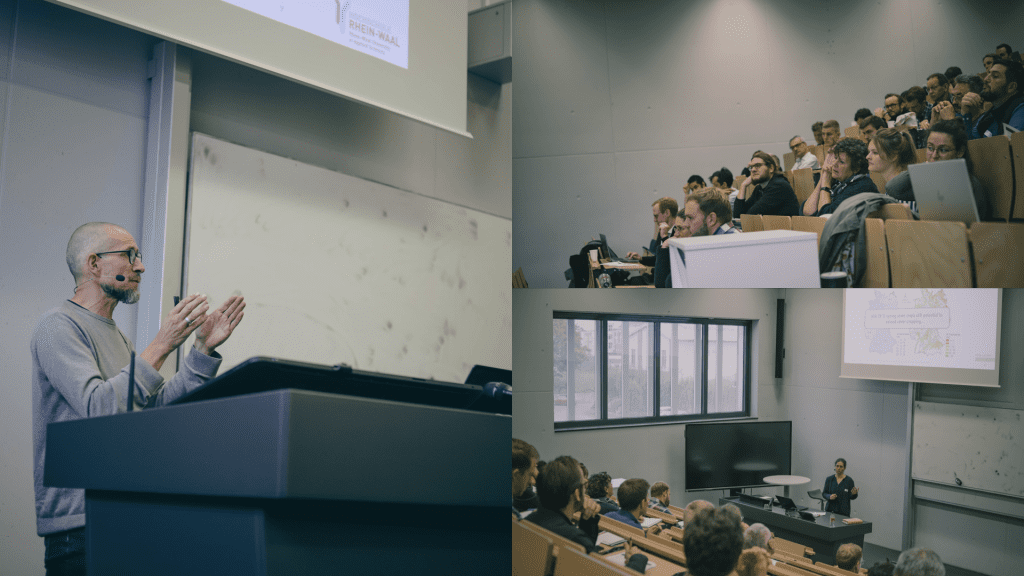
The K(C)lever Cover Cropping Symposium, hosted by the Sustainable Food Systems Research Centre, launched its first day with insightful presentations, discussions, collaborative learning, and an atmosphere ripe for networking over coffee and shared meals. The event kicked off with a warm welcome, followed by a schedule filled with scientific keynotes and talks that addressed the importance of cover crops for carbon input, nutrient dynamics, soil health, and microbiome interactions in agricultural systems.

The first keynote by Dr. Insa Kühling from Kiel University, titled “Cover Crop Effects on Nitrogen Flows and GHG Emissions”, set a thought-provoking tone for the day. This was followed by Dr. Dennis Grunwald and his team from IFZ Göttingen, who shared findings on the effects of various cover crops on soil structure and sugar beet root growth. Dr. Roman Kemper from Bonn University then explored root growth and nitrogen transfer during winter, providing fresh perspectives on crop-soil interactions.

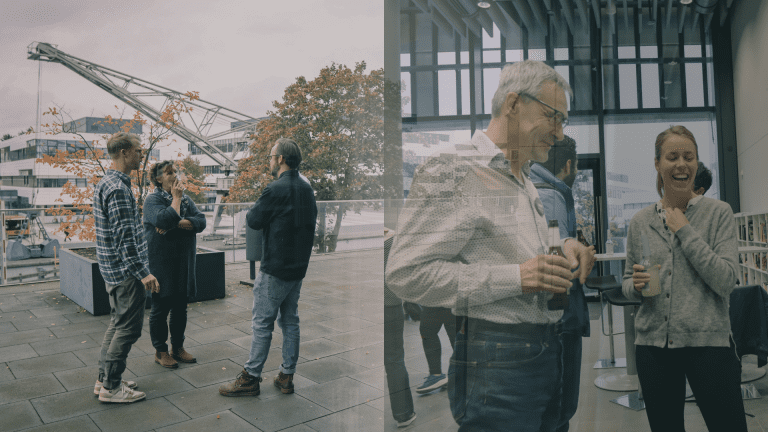
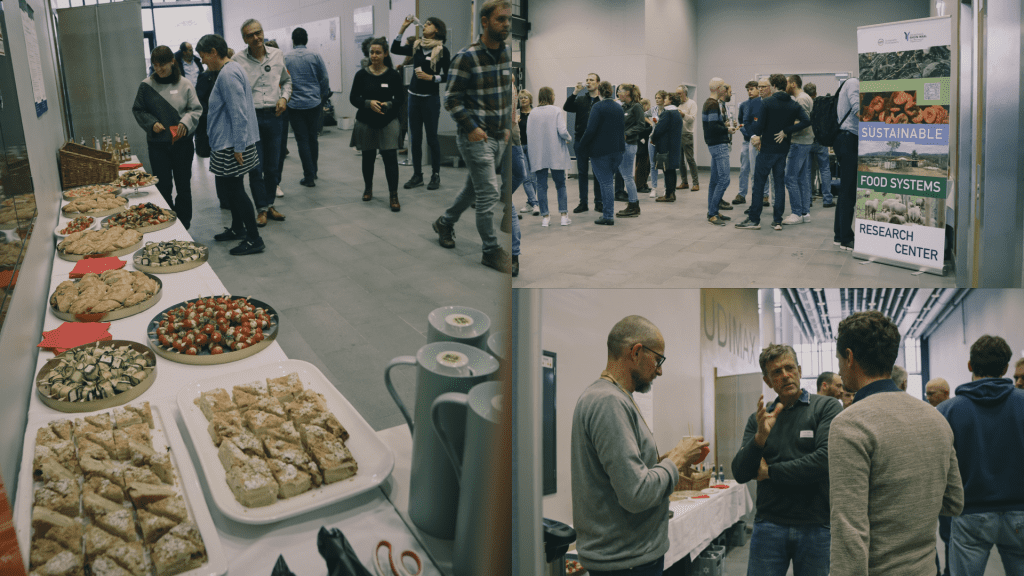
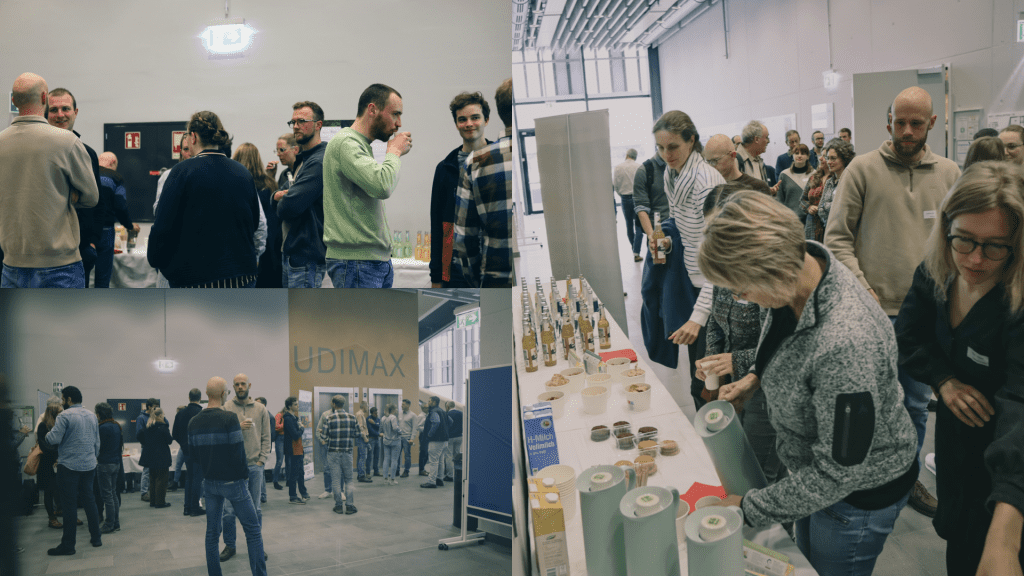
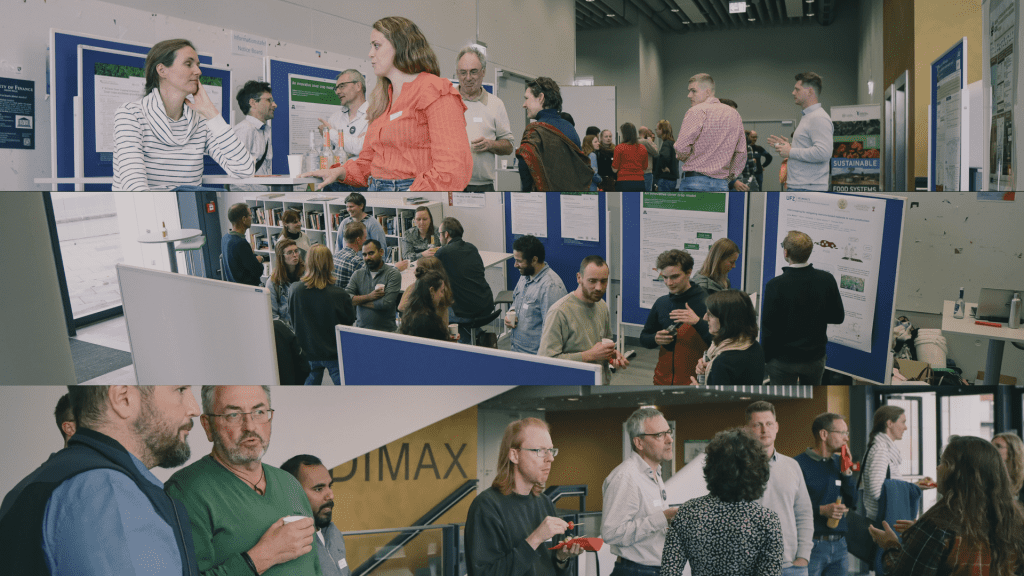
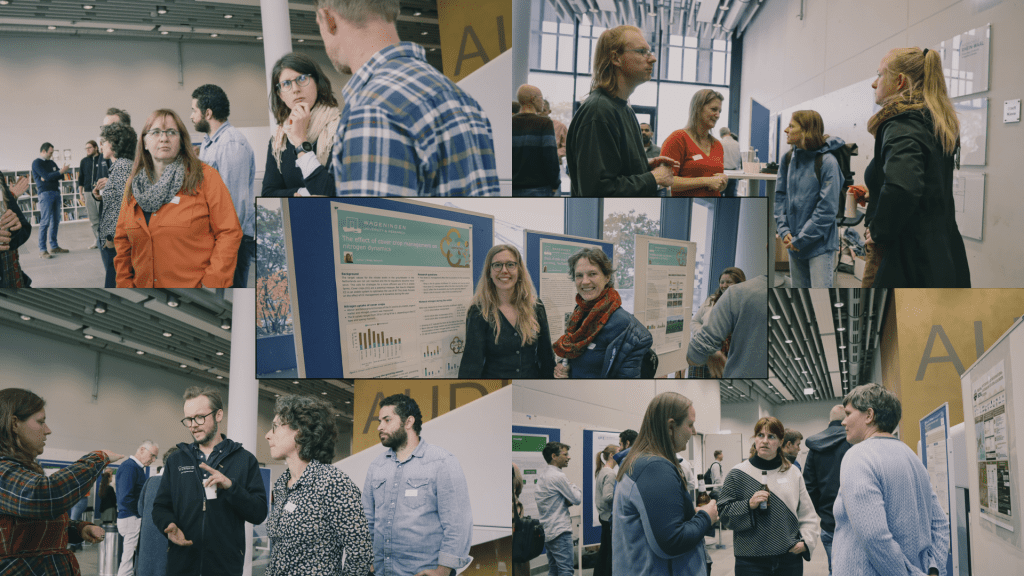
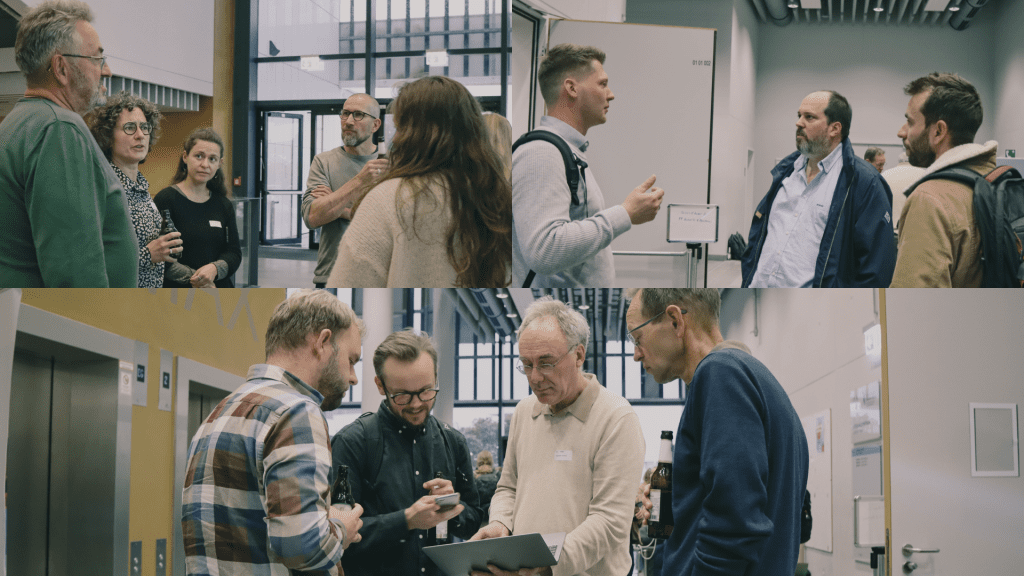
Attendees connected over a coffee break, engaging in discussions that highlighted the diverse roles of cover crops in sustainable agriculture. Conversations spilled into the afternoon poster session, where researchers shared posters and insights, sparking further dialogue.

Hans Helder from Wageningen University delivered the afternoon keynote, focusing on the “Legacy Effects of Cover Crops on the Soil Microbiome”, diving deep into the lasting impacts of cover crops on soil health. This led into a talk by Christina Papazlatani from Wageningen, who shared innovative approaches to stimulating indigenous soil microbes and managing pathogen suppressive volatiles.

The day concluded with another coffee break, additional poster pitches, and lively evening drinks, culminating in a group dinner at Venga. Attendees enjoyed the chance to build meaningful connections and continue conversations sparked during the day’s sessions, wrapping up a successful first day.

Day 2 of the K(C)lever Cover Cropping Symposium: Field Insights and Practical Innovations in Cover Crop Management

The second day of the K(C)lever Cover Cropping Symposium, titled “Praxistag Zwischenfrüchte: Zwischenfruchtmanagement und Stickstoffdynamik in Zeiten von Klimawandel und gesellschaftlichen Anforderungen”, brought participants closer to practical applications of cover crop research amid pressing climate challenges and societal expectations.

The day began with a welcome and morning session of talks summarizing findings from larger projects on nitrogen dynamics and efficient cover crop management. Prof. Dr. Florian Wichern and his team from Rhine-Waal University of Applied Sciences (HSRW) presented insights on “Nitrogen Transfer Through Cover Crops to Successive Crops,” including key findings from the EffiZwisch project at the Lower Rhine. Following this, Dr. Insa Kühling from Kiel University shared research on optimizing cover crop management for reduced greenhouse gas emissions and more efficient nitrogen use, discussing results from the THGZwiFru project. Further Dr. Matthias Westerschulte (DSV) summarized the findings of the CATCHY Project on cover crops for efficient cropping systems.

During the day’s insightful discussions, participants engaged in a dynamic Q&A session moderated by Prof. Dr. Florian Wichern. Attendees posed thoughtful questions about the implementation of cover crop strategies, their effects on soil properties, and the complexities of nitrogen dynamics. Prof. Dr. Wichern emphasized the importance of a holistic approach to research, concluding the session with a call for integrative studies that consider all factors impacting cover crop efficacy. He noted that only by viewing agricultural systems comprehensively can researchers and practitioners drive meaningful progress in sustainable cover crop management.

Participants continued networking over coffee and tea, sharing ideas and perspectives on the evolving role of cover crops.

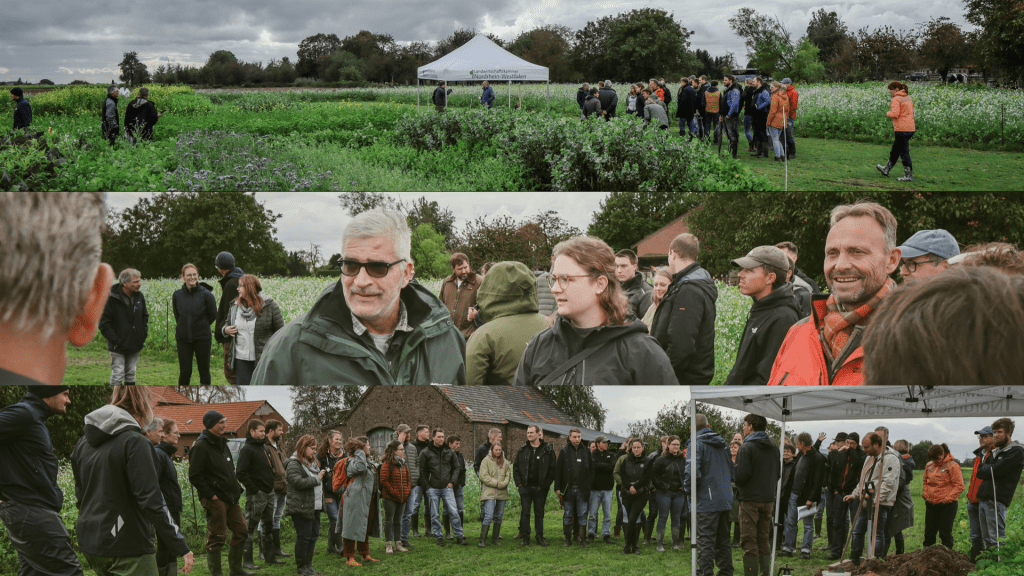
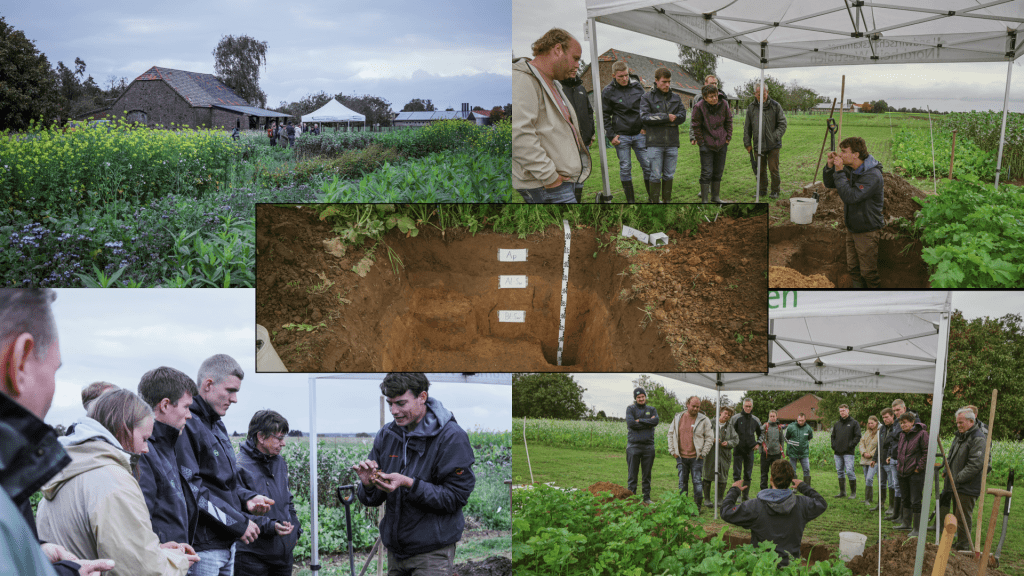
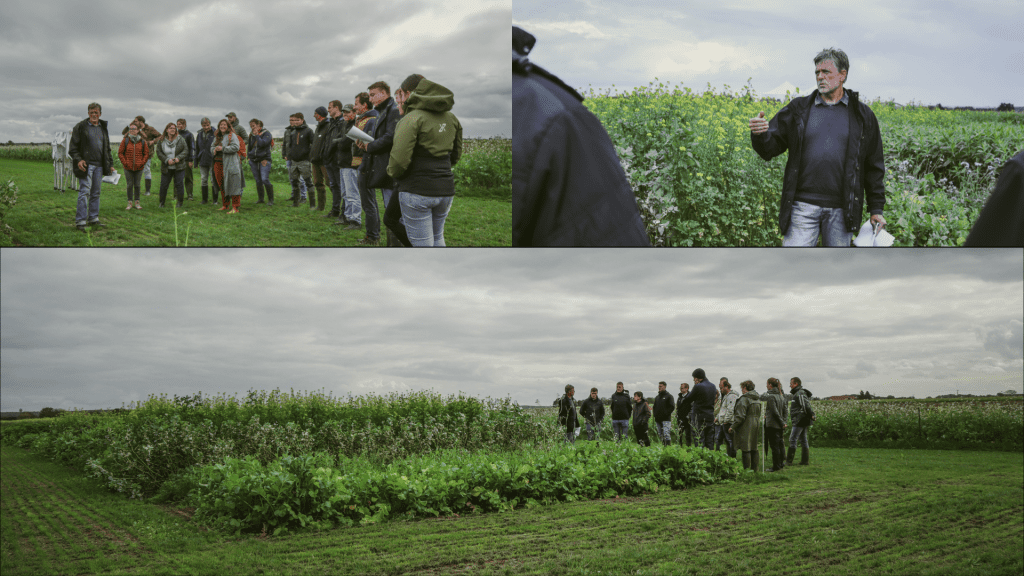
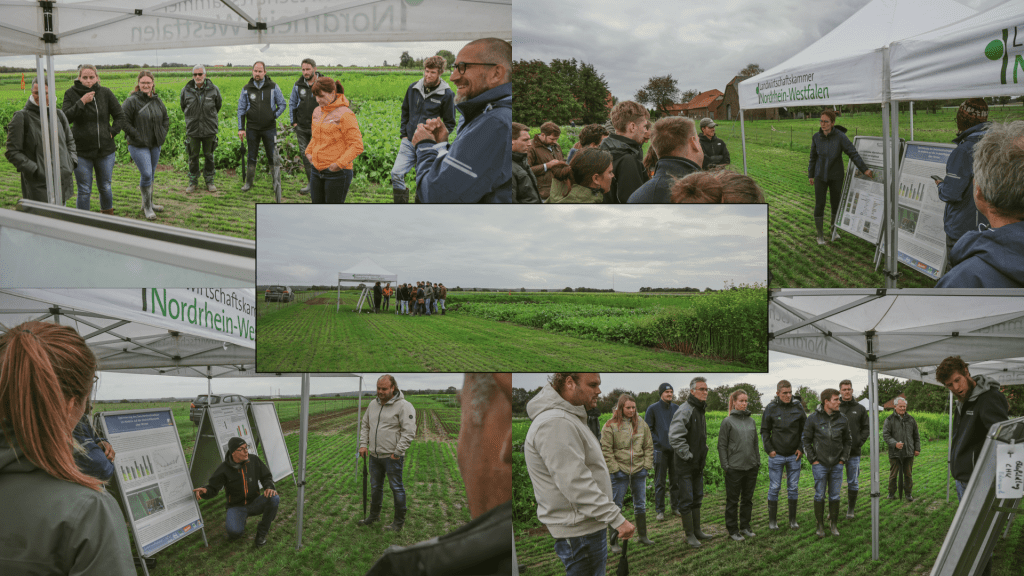
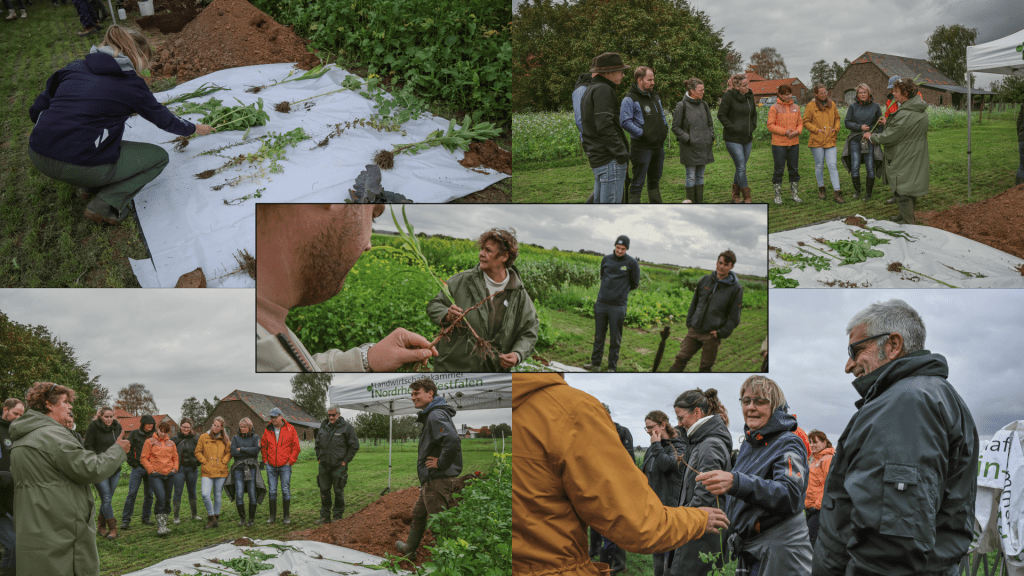
The afternoon provided hands-on experiences as attendees embarked on field tours to observe cover crop management practices in action. This immersive segment of the day offered a tangible look at how cover cropping strategies can adapt to evolving climate conditions while supporting soil health and nutrient dynamics.

With practical knowledge, field observations, and meaningful exchanges, day two underscored the symposium’s commitment to advancing sustainable agriculture.

Photo Gallery